


What Is Custom Web Design vs. Templates: Which Is Right for Your Brand?
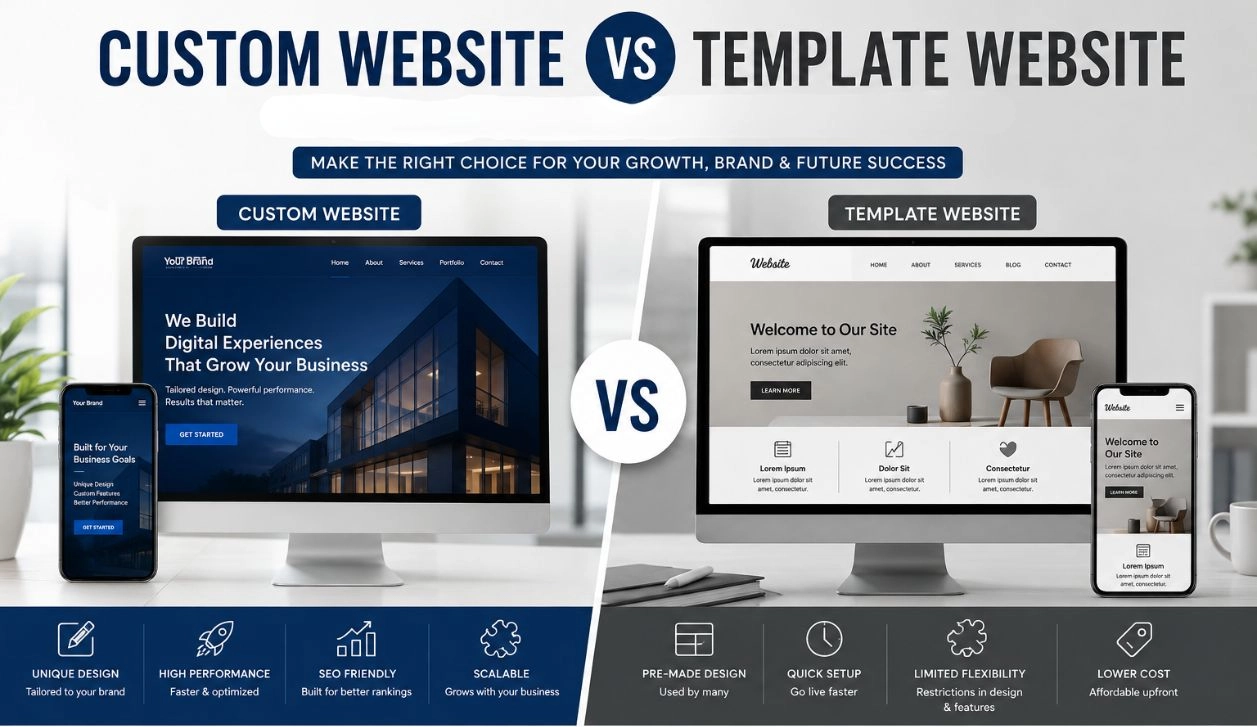
Choosing between custom web design and a pre-built template is one of the most critical decisions shaping your brand's launch speed, initial budget, and long-term digital growth potential.
What Is a Website Template?
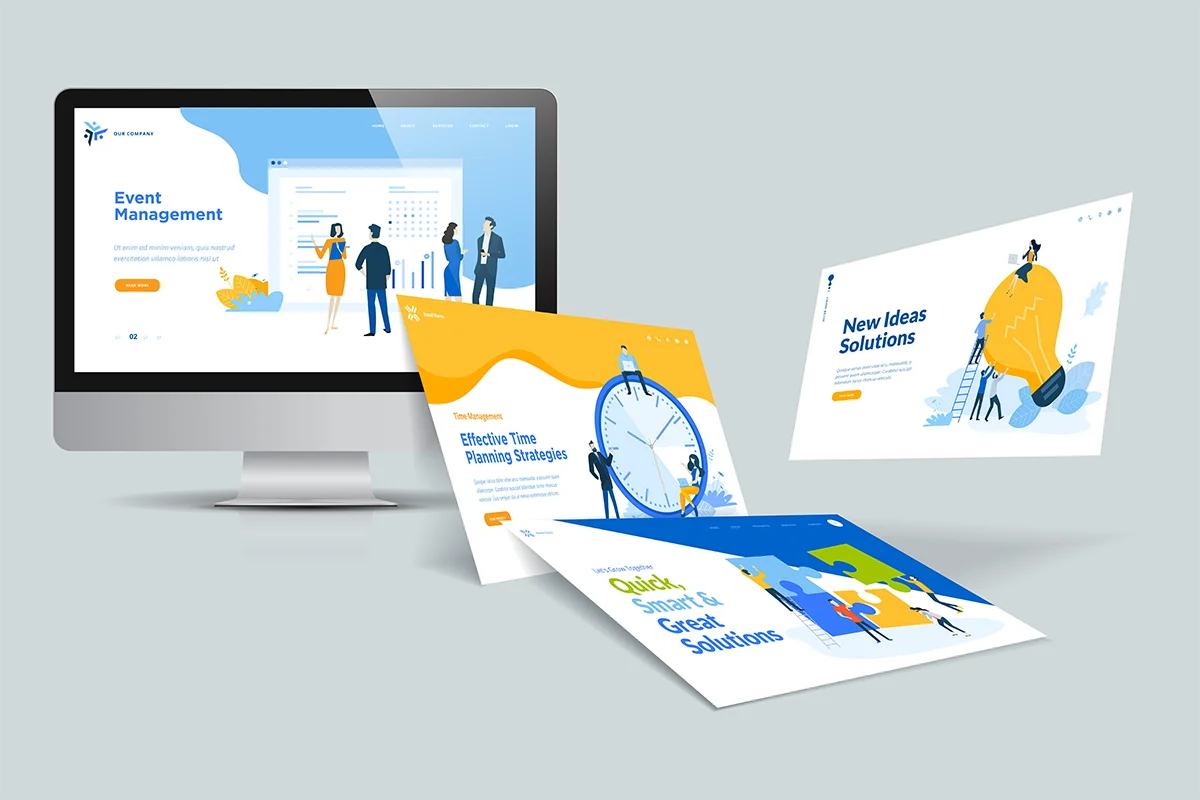
A website template is a pre-designed framework built with pre-set layouts, typography, color schemes, and structural elements. You populate pre-existing fields with your copy, logo, and photos. Platforms like WordPress, Webflow, and Shopify offer thousands of pre-made themes designed for general industry use.
What Is Custom Web Design?
Custom web design is the process of building a website tailored specifically to your business operations, target audience, and brand goals. UX/UI designers plan site architecture and user flows from scratch before developers write clean, modular code around your exact requirements, internal systems, and customer funnel.
When a Template Is the Right Choice
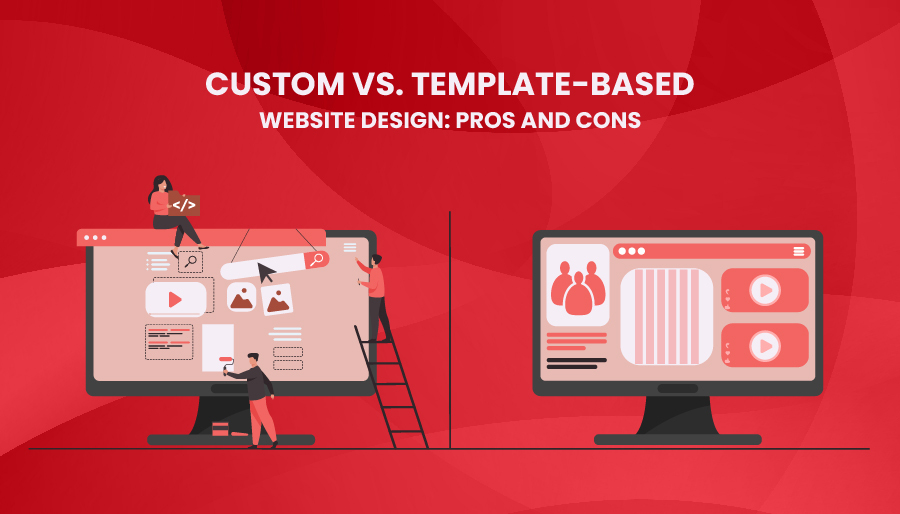
Template-based builds make strategic sense when speed and budget preservation take priority over bespoke design.
Early-Stage Startups & MVPs: Validating a new business idea quickly without locking up capital.
Standard Professional Services: Local businesses, agencies, or personal portfolios with straightforward informational needs.
Immediate Deadlines: Projects that must go live within days for an event or product drop.
Internal Resource Constraints: Businesses without technical staff who need simple drag-and-drop content editing.
When Custom Web Design Is Worth the Investment
Custom development delivers a higher return on investment when your web platform directly drives complex operations or high-stakes market positioning.
· Complex Functional Workflows: Sites requiring multi-user portals, custom quote calculators, proprietary booking engines, or deep CRM integration.
· High-Growth Enterprise Brands: Scaled organizations that regularly hit technical limits or performance walls with templates.
· Saturated Markets: Businesses operating in highly competitive niches where stand-out visual branding and hyper-tuned user experience convert higher percentages of traffic.
· Technical SEO Dominance: Performance-driven brands needing full control over technical site speed, schema markup, and clean site architecture.
Decision Framework: Selecting Your Path
Evaluate these three key questions before committing to a route:
1. What is your 2-year roadmap? If you anticipate needing specialized booking tools, membership tiers, or custom software integrations within 18 months, starting custom prevents an expensive mid-way rebuild.
2. How critical is visual differentiation? If competitors in your space rely on recognizable, cookie-cutter layouts, custom web design instantly elevates your brand authority.
3. Where should your capital be deployed? If spending on a custom build starves your customer acquisition and marketing budget, start with a polished template and reallocate capital into driving traffic.